Eagle history
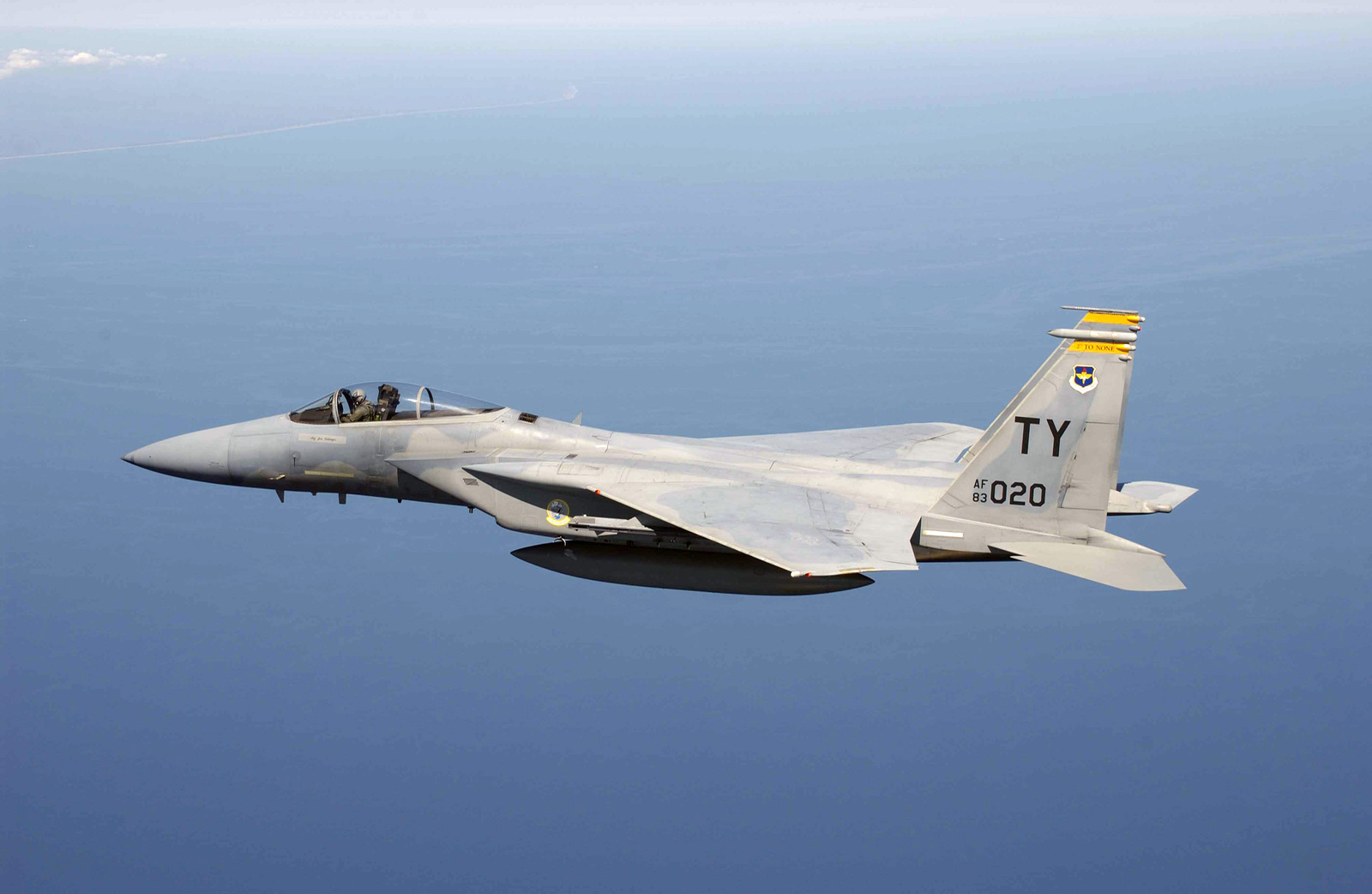
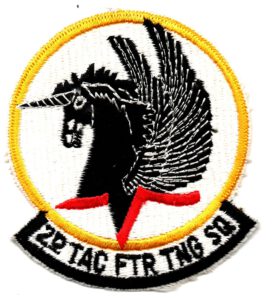
On 1 May 1984, the squadron was redesignated as the 2nd Tactical Fighter Training Squadron and assigned the mission of training McDonnell Douglas F-15 Eagle pilots for integration into Combat Air Forces (CAF) units worldwide. In addition to its formal training responsibilities, the squadron retained the capability to augment North American Aerospace Defense Command (NORAD) in support of continental air defense operations.
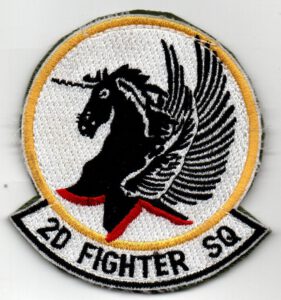
On 17 September 1991, following a major United States Air Force reorganization, the squadron’s operations and maintenance functions were consolidated into a single, integrated unit structure. Shortly thereafter, on 1 November 1991, the designation was simplified to the 2nd Fighter Squadron (2 FS), aligning with Air Force-wide standardization of unit titles.
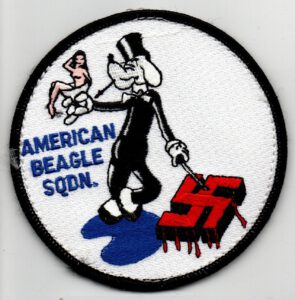
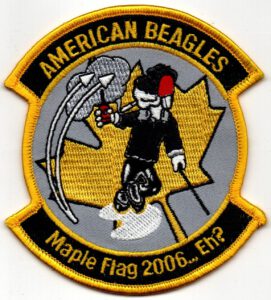
On 29 October 1999, the squadron formally reactivated the “American Beagle” heritage. In conjunction with this event, all squadron patches and emblems were updated to reflect the restored identity. During the reactivation ceremony, Dr. Fred Ohr—who had commanded the 2nd Fighter Squadron during World War II—outlined the historical significance of the American Beagle insignia and emphasized the lineage, combat record, and traditions embodied in the emblem.
In 2001, the 2 FS was recognized as the 325th Fighter Wing Operational Squadron of the Year, reflecting sustained excellence in training, readiness, and mission execution. In the summer of 2002, another Air Force reorganization once again separated the squadron’s operations and maintenance functions. Despite structural changes, the 2nd Fighter Squadron has remained steadfast in its mission: producing highly proficient, combat-ready F-15 pilots and sustaining its legacy of operational excellence in defense of American interests and ideals. On May 7th, 2010 the 2nd Fighter Squadron inactivated as a F-15 training squadron, and would later on reactivate as an FTS (Flying Training Squadron).
Tyndall says farewell to the 2nd Fighter Squadron
by Senior Airman Veronica McMahon 325th Fighter Wing Public Affairs
5/11/2010 – TYNDALL AIR FORCE BASE, Fla. — Lieutenant Colonel Steven Burgh relinquished command of the 2nd Fighter Squadron in Hangar 2 during an inactivation event May 7.
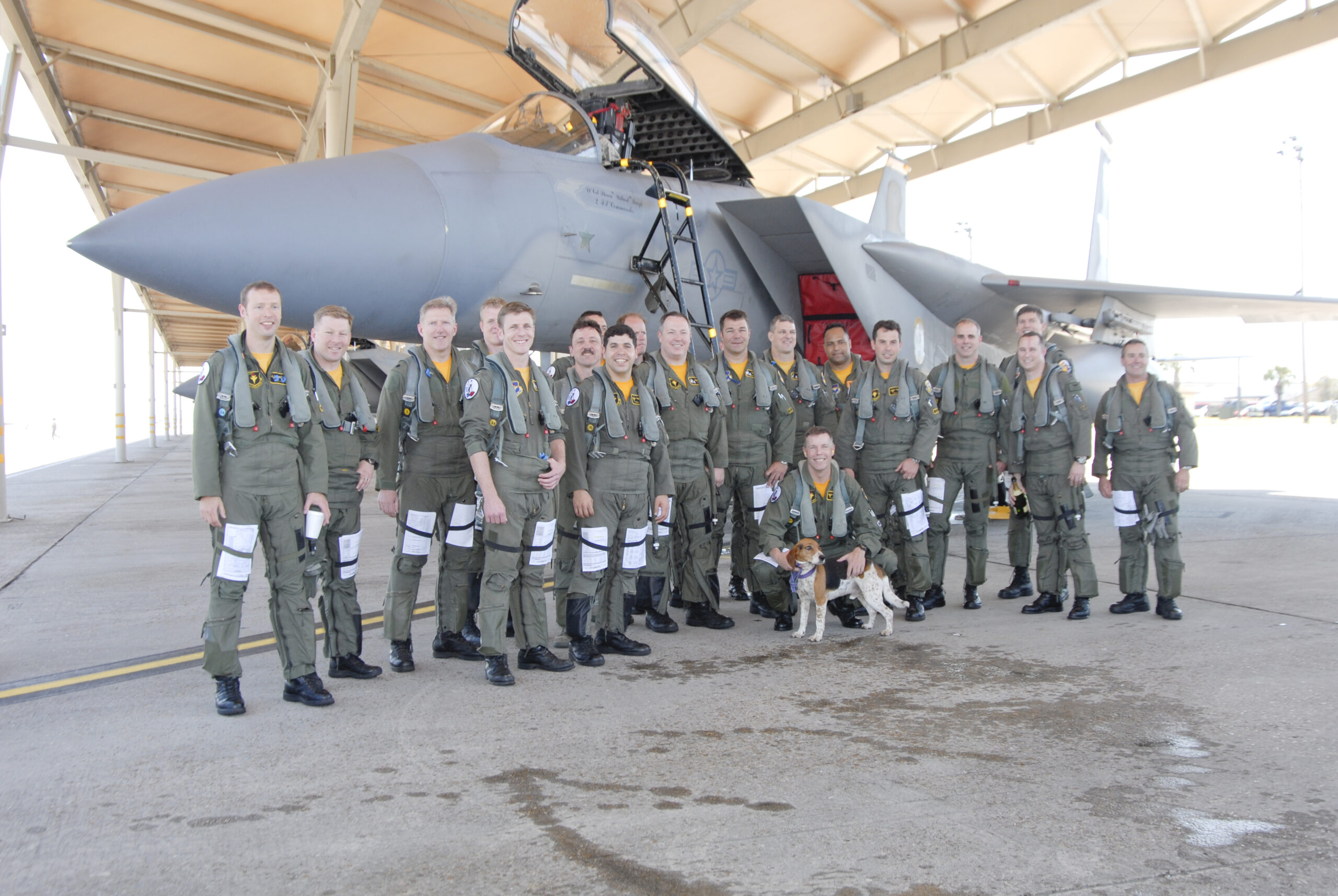
Along with the inactivation event, the 2nd Fighter Squadron held an open house, allowed photographs with the F-15 Eagle and held a reception in honor of the American Beagles who have a 69-year Air Force history.
“Today we lay the foundation of the American Beagles of tomorrow,” said Col. Wesley Hallman, 325th Operations Group commander. “Today we pass the baton to the future because we know the American Beagles will be there.”
During the ceremony, Colonel Burgh passed the unit’s guidon to Colonel Hallman for the final time and relinquished command of the 2nd Fighter Squadron.
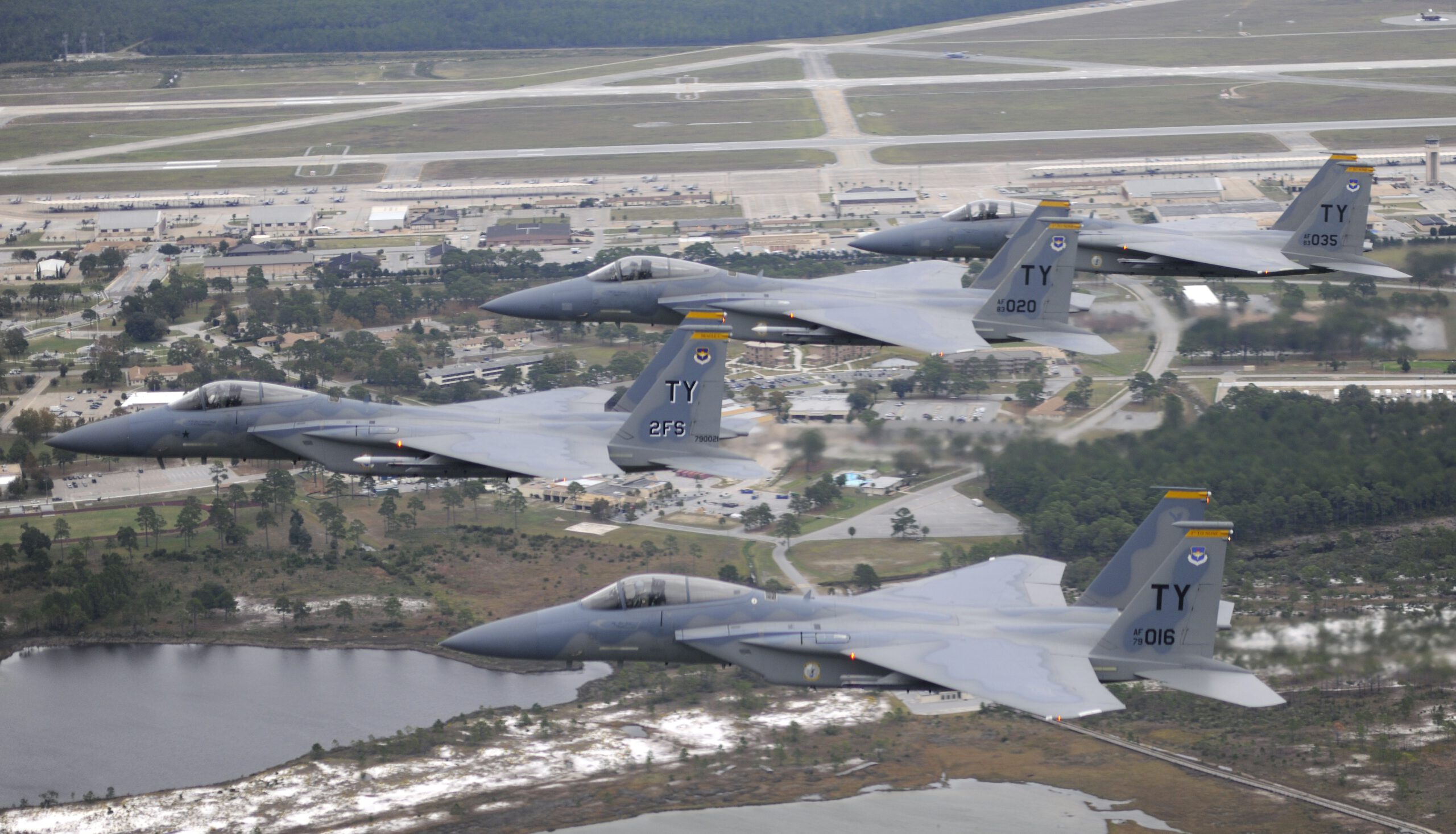
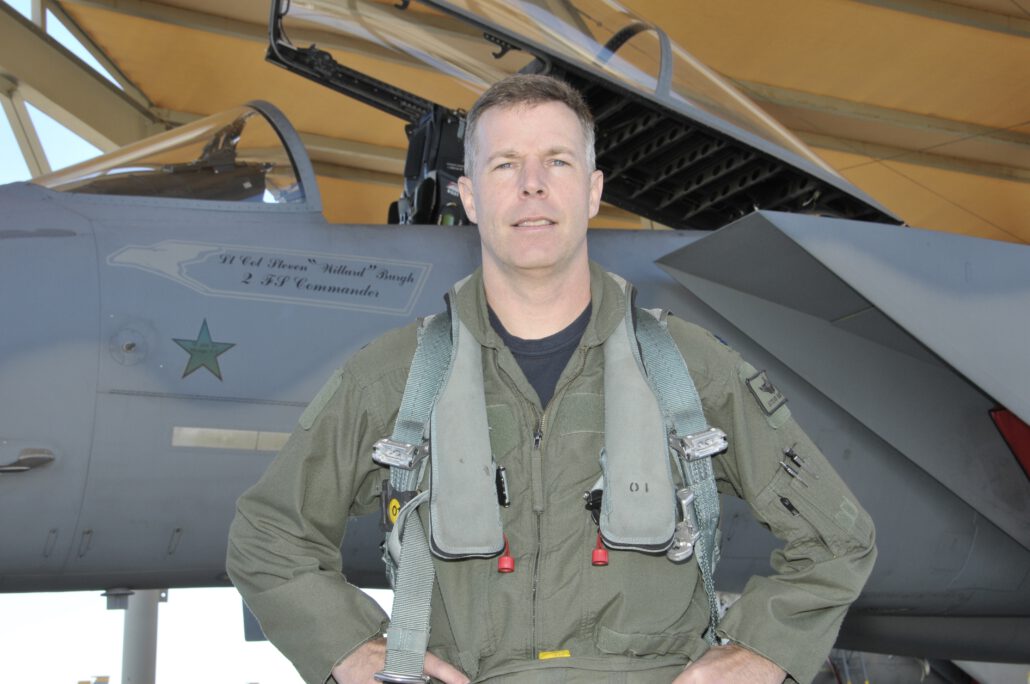
“It’s tough to give up command of a great squadron,” said Colonel Burgh. “The American Beagle Squadron has such a rich and colorful heritage, it’s going to be impossible for my next assignment to compare. It’s a sad day, but I feel we have finished strong as a squadron and we are going out on top. I asked a lot of each person (and their family) over the past year. I could not be more proud of the level of effort and many sacrifices each Beagle has made for the squadron. I know each of us will look back on our time in the American Beagle Squadron with great pride and we’ll take with us memories that will last a lifetime.” Colonel Burgh will attend Air War College at Maxwell, Ala. starting this summer.
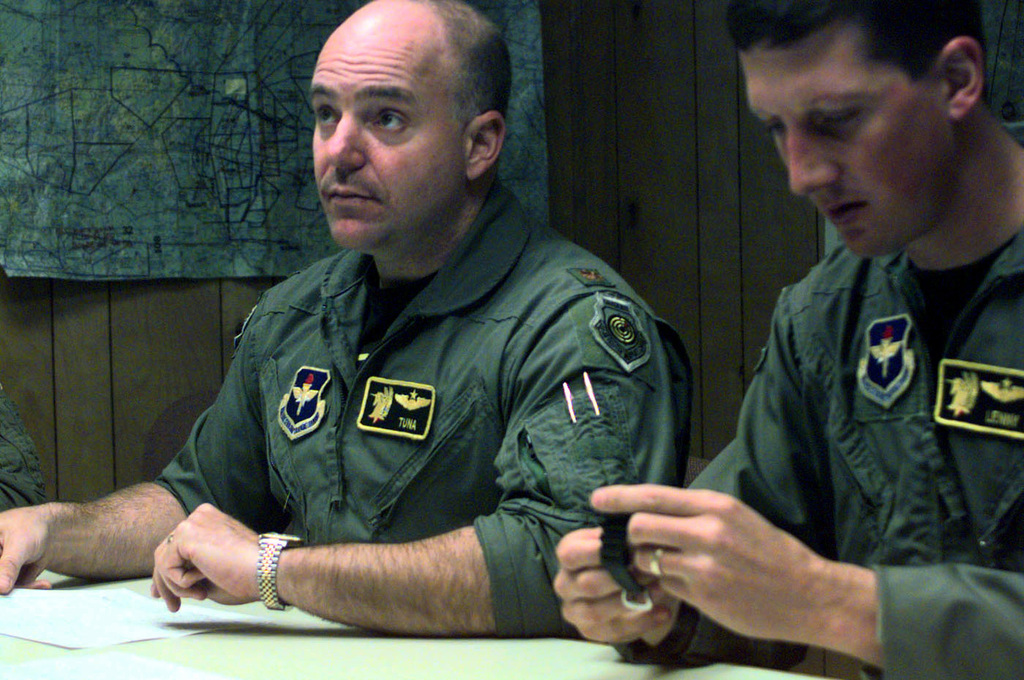
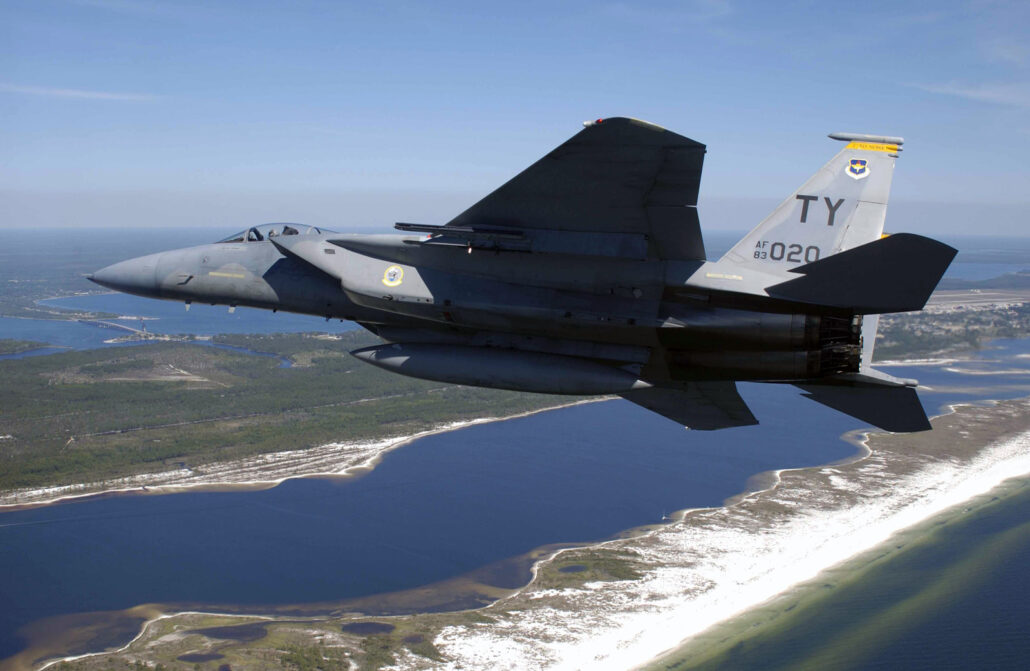
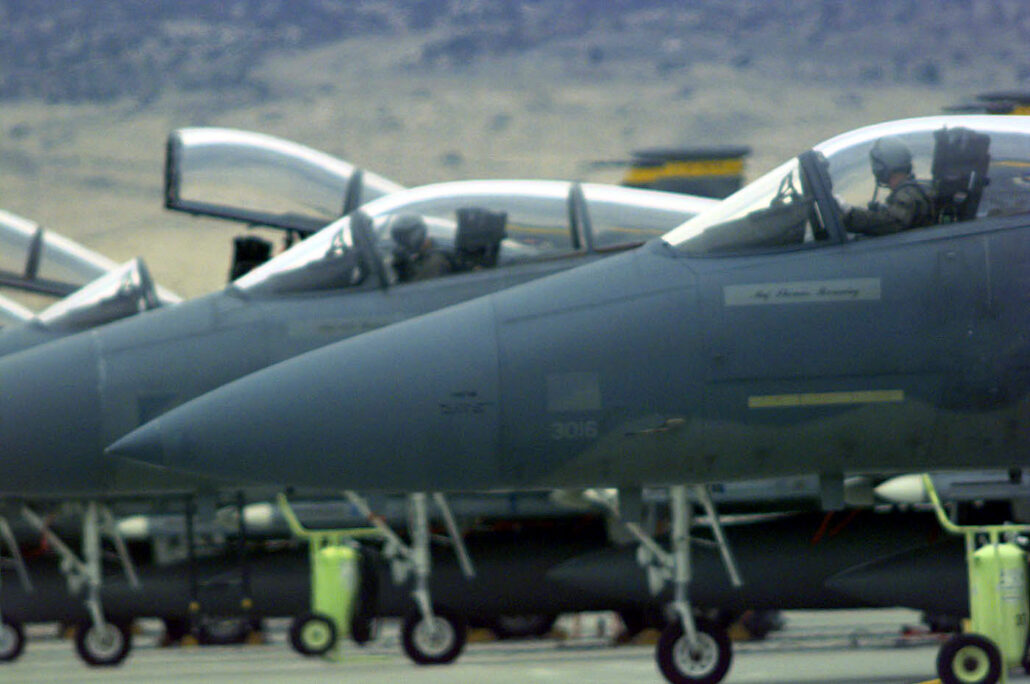
Squadron photos
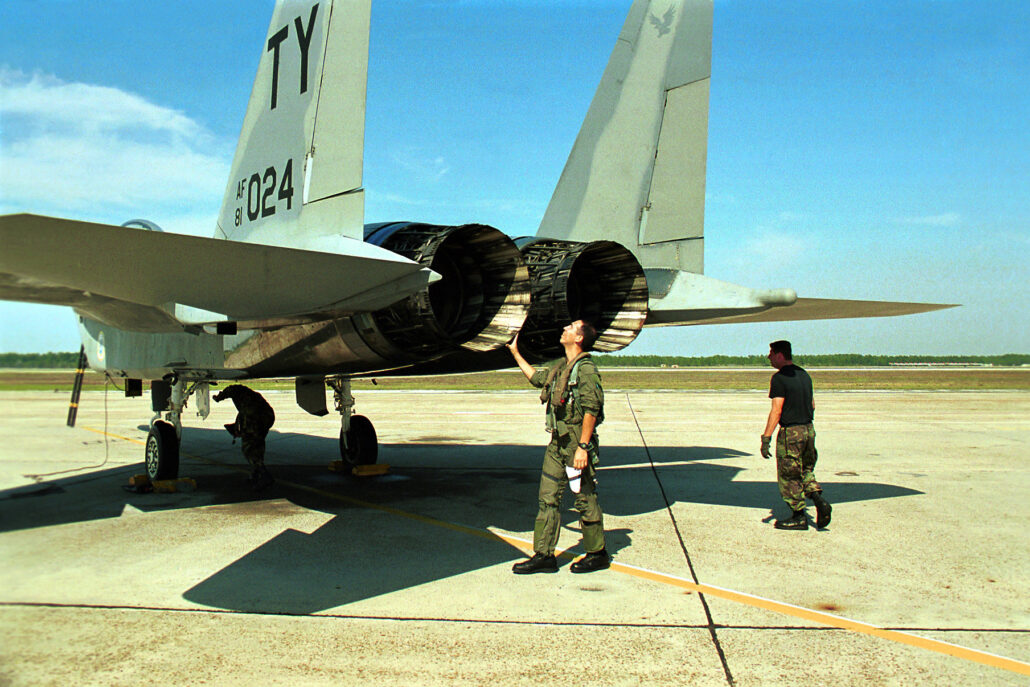
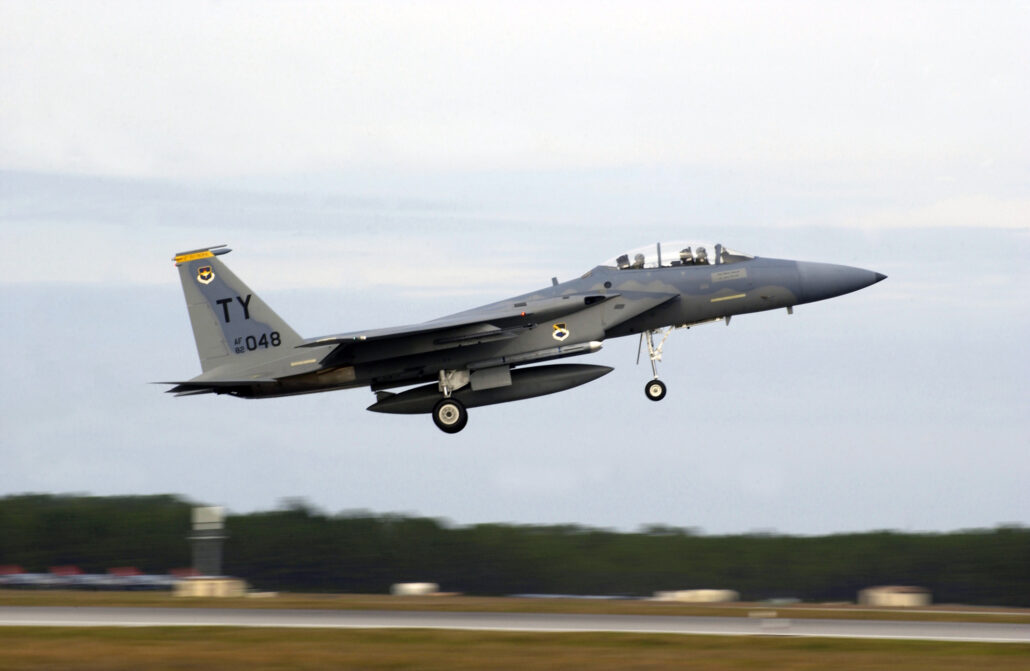
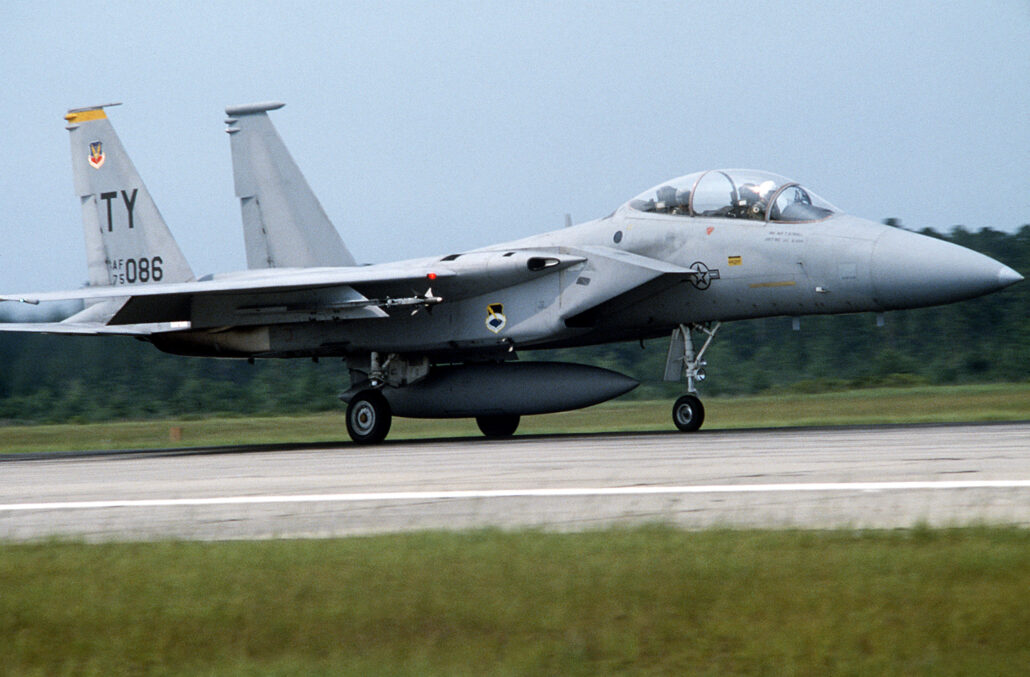
2nd Fighter Squadron patches